
Chinese Journal of Sociology ›› 2026, Vol. 46 ›› Issue (2): 208-242.
Chaoqun LIU( )
)
Online:2026-03-20
Published:2026-05-19
About author:LIU Chaoqun, Department of Sociology and Anthropology, College of Humanities and Development Studies, China Agricultural University, E-mail: chaoqun.liu@qq.com
Supported by:Chaoqun LIU. Understanding Co-ownership: Ideas and Practices of House Property in a Lineage-Based Hakka Village of South China[J]. Chinese Journal of Sociology, 2026, 46(2): 208-242.
Add to citation manager EndNote|Reference Manager|ProCite|BibTeX|RefWorks
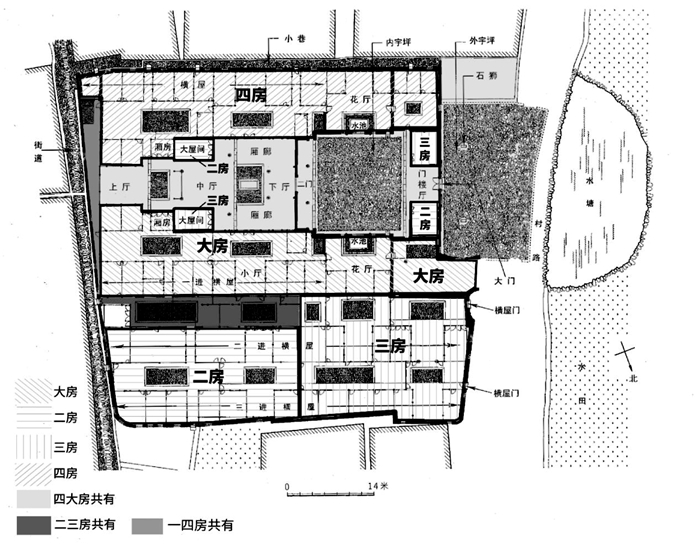
"
"
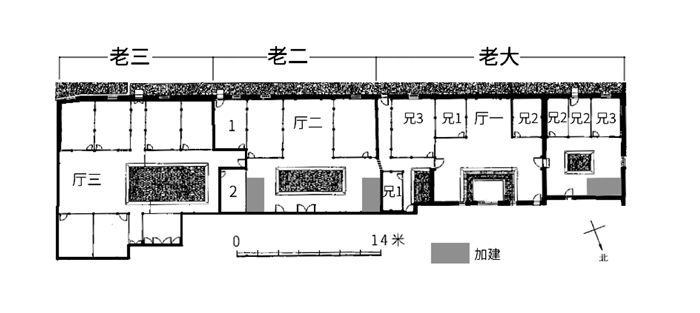
"
| 鲍尔、施蒂尔纳. 2004. 德国物权法(上册)[M]. 张双根, 译. 北京: 法律出版社. | |
| 波洛克, 弗雷德里克. 2013. 普通法上的占有[M]. 于子亮, 译. 北京: 中国政法大学出版社. | |
| 曹正汉 . 2008. 产权的社会建构逻辑——从博弈论的观点评中国社会学家的产权研究[J]. 社会学研究 (1): 200- 216. | |
| 陈柏峰 . 2020. "祖业"观念与民间地权秩序的构造——基于鄂南农村调研的分析[J]. 社会学研究 (1): 194- 217. | |
| 陈锋 . 2012. "祖业权"嵌入乡土社会的地权表达与实践——基于对赣西北宗族性村落的田野考察[J]. 南京农业大学学报(社会科学版) (2): 68- 76. | |
| 陈其南 . 1985. 房与传统中国家族制度——兼论西方人类学的中国家族研究[J]. 汉学研究 (1): 127- 184. | |
| 法律出版社法规中心 . 2022. 中华人民共和国民法典注释本(第二版)[M]. 北京: 法律出版社. | |
| 弗里德曼, 莫里斯. 2000. 中国东南的宗族组织[M]. 刘晓春, 译. 上海人民出版社. | |
| 傅衣凌 . 1988. 中国传统社会: 多元的结构[J]. 中国社会经济史研究 (3): 1- 7. | |
| 傅衣凌 . 2007. 明清封建土地所有制论纲[M]. 北京: 中华书局. | |
| 盖尤斯. 2007. 盖尤斯法学阶梯[M]. 黄风, 译. 北京: 中国政法大学出版社. | |
| 桂华、 林辉煌 . 2012. 农民祖业观与乡土社会的产权基础[J]. 二十一世纪 (4): 42- 52. | |
| 滋贺秀三. 2013. 中国家族法原理[M]. 张建国、李立, 译. 北京: 商务印书馆. | |
| 霍姆斯, 奥利弗. 2023. 普通法[M]. 明辉, 译. 北京大学出版社. | |
| 科大卫 . 2010. 皇帝和祖宗——华南的国家和宗族[M]. 南京: 江苏人民出版社. | |
| 李启成 . 2014. 外来规则与固有习惯——祭田法制的近代转型[M]. 北京大学出版社. | |
| 李秋香 . 2008. 闽西客家古村落: 培田村[M]. 北京: 清华大学出版社. | |
| 列维-施特劳斯, 克洛德. 2007. 人类学演讲集[M]. 张毅声、张祖建、杨珊, 译. 北京: 中国人民大学出版社. | |
| 刘锐 . 2018. 地权界定中的宗族与国家[J]. 思想战线 (1): 155- 163. | |
| 刘世定. 2005. 占有的三个维度及占有认定机制——以乡镇企业为例[G]//中国社会学. 中国社会科学院社会学研究所, 编. 上海人民出版社. | |
| 卢梭, 让—雅克. 2009. 社会契约论[M]. 徐强, 译. 北京: 社会科学出版社. | |
| 芦雪峰、 李凤章 . 2014. 反思占有"事实"说[J]. 东方法学 (1): 39- 55. | |
| 洛克, 约翰. 2018. 政府论(下篇)[M]. 叶启芳、瞿菊农, 译. 北京: 商务印书馆. | |
| 麻国庆 . 1999. 家与中国社会结构[M]. 北京: 中国文物出版社. | |
| 麦克弗森, C.B. 2018. 占有性个人主义的政治理论: 从霍布斯到洛克[M]. 张传玺, 译. 杭州: 浙江大学出版社. | |
| 梅因, 亨利. 2009. 古代法[M]. 高敏、瞿慧虹, 译. 北京: 中国社会科学出版社. | |
| 莫斯, 马塞尔. 2014. 社会学与人类学[M]. 佘碧平, 译. 上海译文出版社. | |
| 摩尔根, 路易斯. 2007. 古代社会[M]. 杨东莼、马雍、马巨, 译. 北京: 中央编译出版社. | |
| 渠敬东 . 2013. 占有、经营与治理: 乡镇企业的三重分析概念(上)——重返经典社会科学研究的一项尝试[J]. 社会33 (1): 1- 37. | |
| 萨维尼, 弗里德里希. 2007. 论占有[M]. 朱虎、刘智慧, 译. 北京: 法律出版社. | |
| 申静、 王汉生 . 2005. 集体产权在中国乡村生活中的实践逻辑——社会学视角下的产权建构过程[J]. 社会学研究 (1): 113- 148. | |
| 史尚宽 . 2000. 物权法论[M]. 北京: 中国政法大学出版社. | |
| 汤普森、 爱德华 . 2002. 共有的习惯[M]. 上海人民出版社. | |
| 涂尔干, 爱弥儿. 2006. 社会学与社会科学[G]//乱伦禁忌及其起源. 汲喆、付德根、渠东, 译. 上海人民出版社. | |
| 汪庆元 . 2019. 明清徽州乡村宅地初探——以祁门县《流光堂誊契簿》为中心[J]. 中国经济史研究 (6): 160- 174. | |
| 王涌 . 2019. 私权的分析与建构[M]. 北京大学出版社. | |
| 王泽鉴 . 2010. 民法物权(第二版)[M]. 北京大学出版社. | |
| 吴秋菊 . 2014. 农地祖业产权: 内涵、变迁及启示——基于赣西北宗族村落的考察[J]. 私法研究 (2): 160- 171. | |
| 谢小芹、 简小鹰 . 2014. "祖业权": 作为一种非正式产权的地方表达与实践——基于对广西宗族性村落的调查[J]. 广西师范大学学报(哲学社会科学版) (1): 56- 62. | |
| 谢在全 . 1999. 民法物权论(上)[M]. 北京: 中国政法大学出版社. | |
| 杨国桢. 1987. 明清福建土地私人所有权内在结构的研究[G]//明清福建社会与乡村经济. 傅衣凌、杨国桢, 主编. 厦门大学出版社. | |
| 尹田 . 2012. 物权法(第三版)[M]. 北京大学出版社. | |
| 张富利 . 2017. 中国乡土社会的地权表达——以"祖业权"为视角[J]. 求索 (9): 93- 104. | |
| 张小军 . 2004. 象征地权与文化经济——福建阳村的历史地权个案研究[J]. 中国社会科学 (3): 121- 135. | |
| 张小军 . 2012. "文治复兴"与礼制变革——祠堂之制和祖先之礼的个案研究[J]. 清华大学学报(哲学社会科学版) (2): 17- 30. | |
| 赵丙祥、 童周炳 . 2011. 房子与骰子: 财富交换之链的个案研究[J]. 社会学研究 (3): 106- 135. | |
| 张双根 . 2006. 共有中的两个问题——兼谈对《物权法(草案)》"共有"章的一点看法[J]. 比较法研究 (2): 111- 117. | |
| 折晓叶、 陈婴婴 . 2005. 产权怎样界定——一份集体产权私化的社会文本[J]. 社会学研究 (4): 1- 43. | |
| 郑冠宇 . 2010. 台湾地区"民法"物权编关于"共有"部分之修正简析[J]. 法学论坛 (2): 121- 127. | |
| 郑振满. 1987. 明清闽北乡族地主经济的发展[G]//明清福建社会与乡村经济. 傅衣凌、杨国桢, 主编. 厦门大学出版社. | |
| 郑振满 . 2009. 乡族与国家: 多元视野中的闽台传统社会[M]. 北京: 生活·读书·新知三联书店. | |
| 郑振满 . 2012. 清代闽西客家的乡族自治传统——《培田吴氏族谱》研究[J]. 学术月刊 (4): 129- 139. | |
| 郑振满、 张侃 . 2005. 培田[M]. 北京: 生活·读书·新知三联书店. | |
| 周雪光 . 2005. "关系产权": 产权制度的一个社会学解释[J]. 社会学研究 (2): 1- 31. | |
| 周歆红 . 2016. 西方人类学产权研究的三种路径[J]. 社会学研究 (2): 217- 240. | |
| 周枏 . 2014. 罗马法原论(上)[M]. 北京: 商务印书馆. | |
| 朱晓阳 . 2021. 基层社会空间的法: 社会形态、兵法和地势[J]. 原生态民族文化学刊 (3): 1- 17. | |
| 庄孔韶 . 2000. 银翅: 中国地方社会与文化变迁[M]. 北京: 生活·读书·新知三联书店. | |
| Coase, Ronald . 1937. "The Nature of the Firm." Economica 16 (4): 386- 405. | |
| Demsetz, Harold . 1967. "Toward a Theory of Property Rights." American Economic Review 57 (2): 347- 359. | |
| Demsetz, Harold. 1988. "A Framework for the Study of Ownership." In Ownership, Control, and the Firm: The Organization of Economic Activity. Oxford: Blackwell. | |
| Faure, David . 2007. Emperor and Ancestor: State and Lineage in South China. Stanford: Stanford University Press. | |
| Freedman, Maurice . 2020. Chinese Lineage and Society: Fukien and Kwangtung. New York: Routledge. | |
| Gluckman, Max . 1965. Politics, Law, and Ritual in Tribal Society. Oxford: Basil Blackwell. | |
| Locke, John . 2002. The Second Treatise of Government and A Letter Concerning Toleration. Minela: Dover Publications. | |
| Rousseau, Jean-Jacques. 1994. The Social Contract. Translated by Christopher Betts. Oxford: Oxford University Press. | |
| Weber, Max. 2008. "Roman Agrarian History." In Its Relation to Roman Public & Civil Law, translated by Richard I. Frank. Claremont: Regina Books. |
| Viewed | ||||||
|
Full text |
|
|||||
|
Abstract |
|
|||||
