
社会杂志 ›› 2026, Vol. 46 ›› Issue (1): 109-137.
孟奇( )
)
出版日期:2026-01-20
发布日期:2026-03-17
作者简介:孟奇 京都大学文学研究科, E-mail:meng.qi.72u@st.kyoto-u.ac.jp
Qi MENG()
Online:2026-01-20
Published:2026-03-17
About author:MENG Qi, Graduate School of Letters, Kyoto University, E-mail: meng.qi.72u@st.kyoto-u.ac.jp
摘要:
本文以萍乡煤矿的兴建为例,探讨清末中国社会中现代工业的生成机制。研究发现,士绅群体内部的分层与联结是工业得以入驻地方的关键,文廷式等上层士绅兼具官僚士大夫与地方精英二重身份,身份间蕴含的伦理和利益张力促成了“洋务官僚—上层士绅—下层精英”之间的传导性劝导;地方士绅基于原有的群体结构形成了沟通企业与地方社会的中人群体,不断推动二者之间利益分配的达成,萍乡煤矿由此实现了规模性收购和机械化生产,进而推动了社会变革。本文阐释了基于既有中国社会结构的群体互动如何生成企业与地方之间新的利权结构,既揭示了近代中国工业发展与社会转型的内在线索,也为理解当代中国企业与社会关系提供了历史参照。
孟奇. 士绅群体与中国现代工业的创生:以清末萍乡煤矿的兴建为例[J]. 社会杂志, 2026, 46(1): 109-137.
Qi MENG. The Gentry and the Genesis of Modern Industry in China: A Case Study of the Pingxiang Coal Mines in the Late Qing Dynasty[J]. Chinese Journal of Sociology, 2026, 46(1): 109-137.
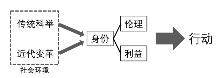
图 1:
士绅行动逻辑"
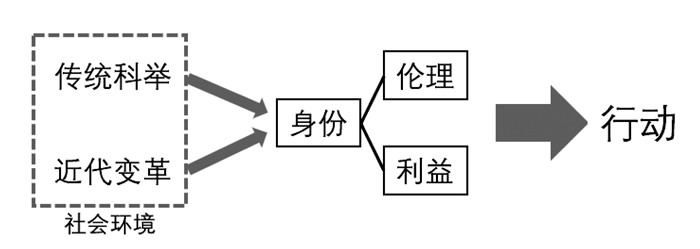
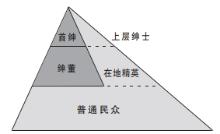
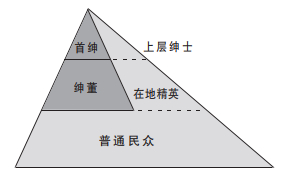
图 2:
中人群体在地方社会中的位置"
| 卞历南 . 2011. 制度变迁的逻辑: 中国现代国营企业制度之形成[M]. 杭州: 浙江大学出版社. | |
| 陈旭麓、 顾廷龙、 汪熙 . 2016a. 盛宣怀档案资料·汉冶萍公司(上)[M]. 上海人民出版社. | |
| 陈旭麓、 顾廷龙、 汪熙 . 2016b. 盛宣怀档案资料·汉冶萍公司(中)[M]. 上海人民出版社. | |
| 道宾, 弗兰克. 2008. 打造产业政策: 铁路时代的美国、英国和法国[M]. 张网成、张海东, 译. 上海人民出版社. | |
| 狄金华 . 2019. "权力—利益"与行动伦理: 基层政府政策动员的多重逻辑——基于农地确权政策执行的案例分析[J]. 社会学研究 (4): 122- 145. | |
| 狄金华、 钟涨宝 . 2014. 从主体到规则的转向——中国传统农村的基层治理研究[J]. 社会学研究 (5): 73- 97. | |
| 杜赞奇. 2003. 文化、权力与国家: 1900-1942年的华北农村[M]. 王福明, 译. 南京: 江苏人民出版社. | |
| 费维恺. 1990. 中国早期工业化: 盛宣怀(1844-1916)和官督商办企业[M]. 虞和平, 译. 北京: 中国社会科学出版社. | |
| 费孝通 . 1999. 费孝通文集(第四卷)[M]. 北京: 群言出版社. | |
| 侯俊丹 . 2015. 民情反思与士人的社会改造行动: 晚清温州永嘉学派保守主义的实践及其困境[J]. 社会 35 (2): 1- 28. | |
| 湖北省冶金志编撰委员会 . 2017. 汉冶萍公司志[M]. 武汉: 华中科技大学出版社. | |
| 怀特, 蒂姆. 1991. 中国经济和社会中的煤矿业: 1895~1937[M]. 丁长清, 译. 北京: 东方出版社. | |
| 柯丽莎. 2023. 铁路与中国转型[M]. 金毅, 译. 南京: 江苏人民出版社. | |
| 孔飞力. 1990. 中华帝国晚期的叛乱及其敌人: 1796-1864年的军事化与社会结构[M]. 谢亮生、杨品泉、谢思炜, 译. 北京: 中国社会科学出版社. | |
| 孔飞力. 2013. 中国现代国家的起源[M]. 陈兼、陈之宏, 译. 北京: 生活·读书·新知三联书店. | |
| 李伯重 . 2000. 江南的早期工业化(1550-1850年)[M]. 北京: 社会科学文献出版社. | |
| 李恩涵. 1978. 晚清的收回矿权运动[M]. 台北: "中央"研究院近代史研究所专刊. | |
| 李怀印 . 2022. 现代中国的形成[M]. 桂林: 广西师范大学出版社. | |
| 李猛 . 1995. 从士绅到地方精英[J]. 中国书评 (5): 93- 107. | |
| 凌鹏、 何骆 . 2024. 湘乡曾家与地方政治: 论双轨制的内部张力与协作[J]. 社会 44 (6): 31- 64. | |
| 凌鹏、 唐睿清 . 2024. 中西法律比较视野下的"情理"[J]. 中国社会科学评价 (3): 126- 137. | |
| 刘洋 . 2021. 因"势""利"导: 李鸿章与近代早期湖北煤铁的开采[J]. 中国国家博物馆馆刊 (12): 73- 87. | |
| 马敏 . 2003. 官商之间: 社会剧变中的近代绅商[M]. 武汉: 华中师范大学出版社. | |
| 孟奇 . 2022. 落"地"生"根": 中国近代工业创成中的传统治理策略——以清光绪年间湖北矿务为例[J]. 社会 42 (1): 1- 30. | |
| 瞿同祖. 2003. 清代地方政府[M]. 范忠信, 译. 北京: 法律出版社. | |
| 寺田浩明. 2012. 权利与冤抑: 寺田浩明中国法史论集[M]. 王亚新, 等, 译. 北京: 清华大学出版社. | |
| 孙立平. 2001. "过程—事件分析"与对当代中国农村社会生活的洞察[G]//农村基层政权运行与村民自治. 王汉生、杨善华, 主编. 北京: 中国社会科学出版社. | |
| 汪叔子, 编. 1993. 文廷式集[M]. 北京: 中华书局. | |
| 王先明 . 1995. 从绅士阶层到"绅商"集团——论收回利权运动的主导力量[J]. 社会科学战线 (1): 135- 141. | |
| 王先明 . 1997. 近代绅士: 一个封建阶层的历史命运[M]. 天津人民出版社. | |
| 韦伯, 马克斯. 2006. 经济通史[M]. 姚曾廙, 译. 上海三联书店. | |
| 韦伯, 马克斯. 2010. 新教伦理与资本主义精神[M]. 康乐、简惠美, 译. 桂林: 广西师范大学出版社. | |
| 闻翔 . 2021. "东方经济"与中国乡村工业化的社会学机制——重访史国衡的个旧矿城研究[J]. 学术月刊 (4): 142- 151. | |
| 吴景超 . 1939. 汉冶萍公司的覆辙[J]. 新经济 (4): 103- 108. | |
| 夏东元 . 2004. 盛宣怀年谱长编(下)[M]. 上海交通大学出版社. | |
| 肖育琼. 2006. 近代萍乡士绅与萍乡煤矿(1890-1928)[D]. 南昌大学硕士学位论文. | |
| 解鸿宇 . 2023. 工业遗产与地缘政治中的"东北接收"(1945-1948年)——对国共两党组织体制的比较分析[J]. 社会 43 (2): 54- 95. | |
| 谢雯 . 2019. 历史社会学视角下的东北工业单位制社会的变迁[J]. 开放时代 (6): 25- 44. | |
| 许纪霖 . 2019. 在"理"与"势"之间: 晚清官僚士大夫的自改革[J]. 探索与争鸣 (10): 112- 119. | |
| 徐秀丽 . 2006. 民国时期的乡村建设运动[J]. 安徽史学 (4): 69- 80. | |
| 严飞 . 2021. 历史图景的过程事件分析[J]. 社会学评论 (4): 120- 137. | |
| 阳水根 . 2014. 文廷式宗族的兴盛与清末萍乡社会变迁[J]. 萍乡高等专科学校学报 (2): 32- 38. | |
| 应星. 2023. 从"过程—事件分析"到"追根溯源的事件社会学"[G]//什么是历史社会学. 赵鼎新, 主编. 北京: 中信出版社. | |
| 张静 . 2003. 土地使用规则的不确定: 一个解释框架[J]. 中国社会科学 (1): 113- 124. | |
| 章开沅、 马敏、 朱英 . 2000. 中国近代民族资产阶级研究: 1860-1919[M]. 武汉: 华中师范大学出版社. | |
| 张实 . 2016. 盛宣怀与萍乡广泰福[J]. 湖北理工学院学报 (1): 1- 10. | |
| 张易和 . 2021. 清末新政时期的豫南矿务公司[J]. 国学学刊 (4): 115- 123. | |
| 张仲礼. 1991. 中国绅士: 关于其在十九世纪中国社会中作用的研究[M]. 李荣昌, 译. 上海社会科学院出版社. | |
| 曾伟. 2014. 近代官办企业与产权变革——萍乡煤矿产业契约研究[D]. 厦门大学博士学位论文. | |
| 曾伟 . 2015. 近代萍乡煤炭资源开发中的官商关系[J]. 中国社会历史评论 16 (下): 72- 91. | |
| 曾小萍. 2014. 自贡商人: 近代早期中国的企业家[M]. 董建中, 译. 南京: 江苏人民出版社. | |
| 郑天挺、荣孟源, 主编. 1992. 中国历史大辞典·清史卷(下)[M]. 上海辞书出版社. | |
| 中国人民大学清史研究所、中国人民大学档案系中国政治制度教研室, 编. 1983. 清代的矿业[M]. 北京: 中华书局. | |
| 周飞舟 . 2018. 行动伦理与"关系社会"——社会学中国化的路径[J]. 社会学研究 (1): 41- 62. | |
| 周飞舟、 焦长权 . 2016. "资本下乡"与村庄的再造[J]. 中国社会科学 (1): 100- 116. | |
| 朱荫贵 . 1994. 国家干预经济与中日近代化[M]. 北京: 东方出版社. | |
| 柏祐賢. 1985. 経済秩序個性論: 中国経済の研究(第3巻)[M]. 京都産業大学出版会. | |
| 島田悦子 . 1999. 欧州経済発展史論: 欧州石炭鉄鋼共同体の源流[M]. 東京: 日本経済評論社. | |
| 中村尚史. 2010. 地方からの産業革命: 日本における企業勃興の原動力[M]. 名古屋大学出版会. | |
| 吉澤誠一郎. 2003. 愛国主義の創成: ナショナリズムから近代中国をみる[M]. 東京: 岩波書店. | |
| Chandavarkar, Rajnarayan . 1994. The Origins of Industrial Capitalism in India: Business Strategies and the Working Classes in Bombay, 1900-1940. Cambridge: Cambridge University Press. | |
| Esherick, Joseph W. and Mary Backus Rankin . 1990. Chinese Local Elites and Patterns of Dominance. Berkeley: University of California Press. | |
| Feuerwerker, Albert. 1964. "China's Nineteenth-Century Industrialization: The Case of the Hanyehping Coal and Iron Company. " In The Economic Development of China and Japan, edited by C. D. Cowan. London: George Allen & Unwin Ltd. | |
| Gerschenkron, Alexander . 1962. Economic Backwardness in Historical Perspective: A Book of Essays. Cambridge: Belknap Press of Harvard University Press. | |
| Hornibrook, Jeff . 2015. A Great Undertaking: Mechanization and Social Change in a Late Imperial Chinese Coalmining Community. Albany: State University of New York Press. | |
| Harris, J. R. 1988. The British Iron Industry, 1700-1850. Basingstoke: Macmillan Education. | |
| Perrow, Charles . 2002. Organizing America: Wealth, Power, and the Origins of Corporate Capitalism. Princeton: Princeton University Press. | |
| Tilly, Richard H. and Michael Kopsidis . 2020. From Old Regime to Industrial State: A History of German Industrialization from the Eighteenth Century to World War I. Chicago: The University of Chicago Press. |
| [1] | 谢雯. 阶级的代际变奏:“新东北文学”中的转型记忆与阶级经验[J]. 社会杂志, 2025, 45(6): 41-67. |
| [2] | 惠忆晨. 何为“自由”:太虚佛教改革的中国化意涵[J]. 社会杂志, 2023, 43(4): 1-39. |
| [3] | 徐延辉, 孔一舟. 转型时期中国社会公平感的变迁历程及其解释因素[J]. 社会杂志, 2023, 43(3): 213-242. |
| [4] | 凌鹏, 孟奇. 家、工厂与中国现代个体的诞生——对《茧》中人物生活世界的分析[J]. 社会杂志, 2023, 43(1): 173-202. |
| [5] | 王鹏, 干一卿. 谁主认同?转型时期中国女性阶层地位认同的多重建构及其世代变迁[J]. 社会杂志, 2022, 42(4): 183-213. |
| [6] | 孟奇. 落“地”生“根”:中国近代工业创成中的传统治理策略——以清光绪年间湖北矿务为例[J]. 社会杂志, 2022, 42(1): 1-30. |
| [7] | 毛丹, 张洪. 工人、资本与国家:理解工人阶级研究的关系视角[J]. 社会杂志, 2017, 37(1): 94-126. |
| [8] | 张顺 郭小弦. 求职过程的微观分析:结构特征模型[J]. 社会杂志, 2012, 32(3): 38-54. |
| [9] | 刘岩 ,赵延东. 转型社会下的多重复合性风险——三城市公众风险感知状况的调查分析[J]. 社会杂志, 2011, 31(4): 175-194. |
| [10] | 程福财. 传统儿童照顾模式的失灵与流浪儿童问题的形成:基于对上海火车站地区流浪儿童的民族志调查[J]. 社会杂志, 2009, 29(5): 168-186. |
| [11] | 张永宏. 争夺地带:从基层政府化解劳资纠纷看社会转型[J]. 社会杂志, 2009, 29(1): 89-108 . |
| [12] | 庄晓惠;侯钧生. 俄罗斯的社会转型与社会阶层分化 [J]. 社会杂志, 2008, 28(2): 128-128 . |
| [13] | 王建民. 社会转型中的象征二元结构:以农民工群体为中心的微观权力分析 [J]. 社会杂志, 2008, 28(2): 77-77 . |
| [14] | 纪莺莺. 明清科举制的社会整合功能:以社会流动为视角 [J]. 社会杂志, 2006, 26(6): 190-190 . |
| 阅读次数 | ||||||
|
全文 |
|
|||||
|
摘要 |
|
|||||
